How do you play What Was There?+
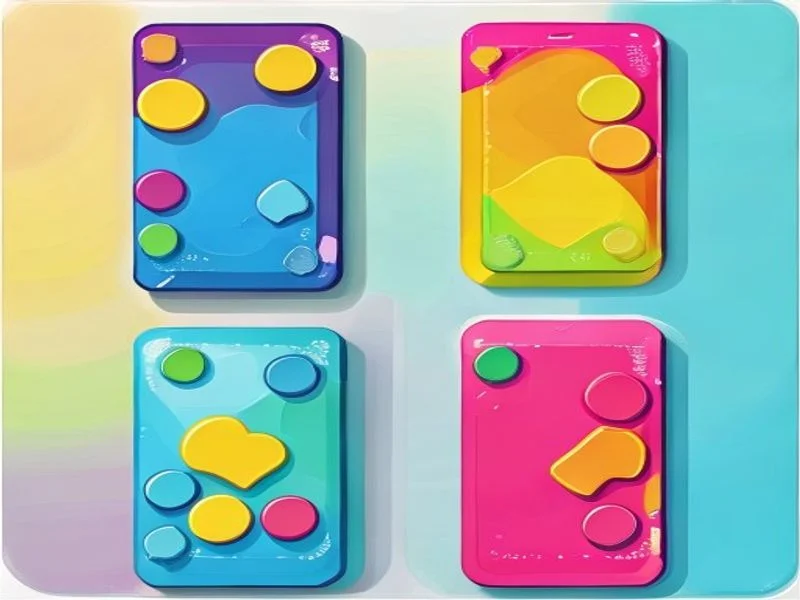
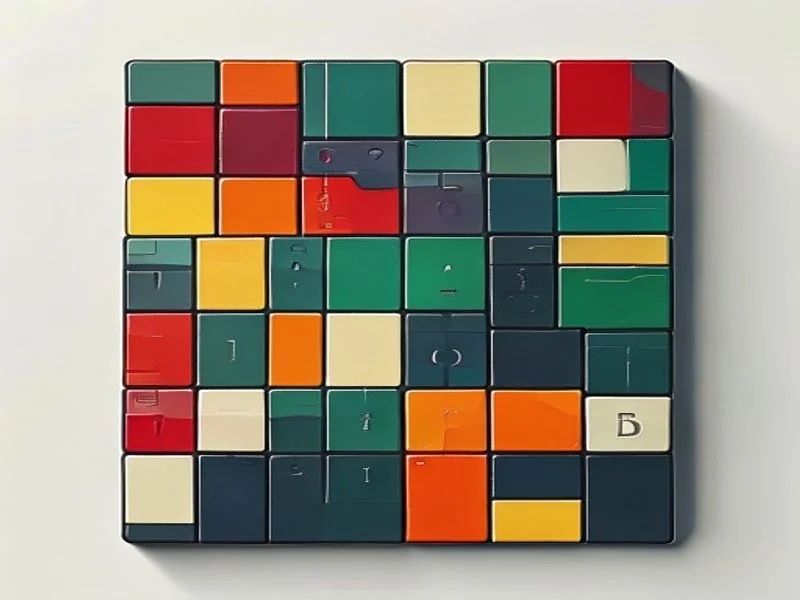
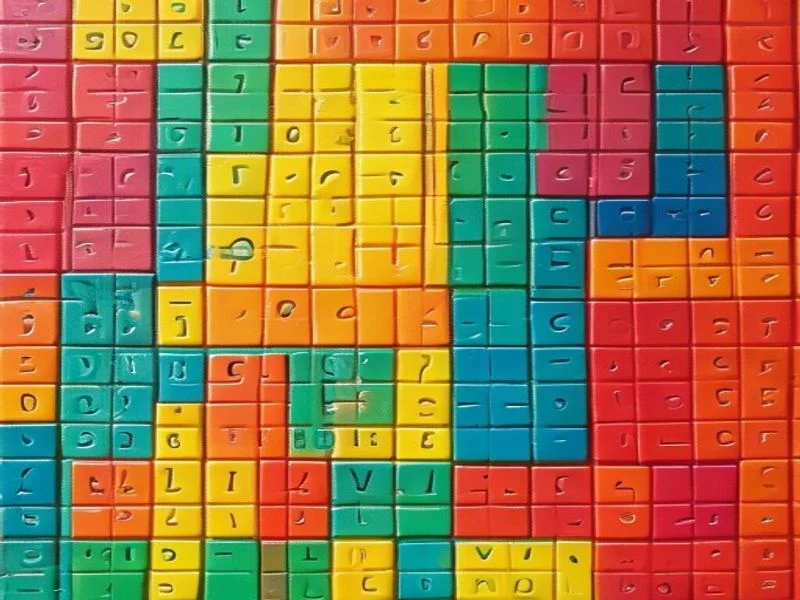
A grid of colored shapes appears for a few seconds. Memorize it, then answer multiple-choice questions about what you saw — such as counts, colors, and positions — when the image disappears.
What kinds of questions are asked?+
Questions cover how many of a particular color and shape appeared, what color a specific tile was, and which shape occupied a given row and column. Each round mixes these question types.
How long do I get to study?+
Each scene is shown for a few seconds with a visible countdown. The time is short on purpose, to train quick visual encoding rather than leisurely inspection.
How is the score calculated?+
You earn one point for each correctly answered question. Your final score is the total correct across all rounds, compared against your saved best result.
What is the win threshold?+
You win by reaching the required number of correct answers by the end of the game. Falling below that threshold ends the run without a win, encouraging sharper recall next time.
Is there a time limit during the quiz?+
The quiz itself is untimed so you can recall at your own pace, but the study phase is strictly timed. The challenge is retention, not racing the clock while answering.
How many rounds are there?+
The game presents several study-and-quiz rounds, each with its own scene and set of questions, so you get repeated practice encoding and retrieving visual detail.
Can I replay a scene?+
No. Each scene appears only once to keep the memory challenge honest. The brief exposure is what makes the recall questions meaningful and worth practicing.
Does my best score save?+
Yes. Your best score is stored in your browser's local storage and persists between visits. Clearing your browser data resets it because the score lives on your device.
Is this game good for memory training?+
Yes. It specifically trains visual working memory and recall under time pressure, skills that support everyday tasks like remembering faces, layouts, and details.
Can I play on mobile?+
Yes. The grid and answer buttons are fully responsive and touch-optimized, making it easy to study and answer with taps on a phone or tablet.
What shapes and colors are used?+
Scenes combine a small palette of distinct colors with simple shapes such as circles, squares, and triangles, so each tile is easy to perceive but varied enough to test recall.
How can I improve my score?+
Use a consistent scan order, notice color-and-shape combinations, and anchor your memory on a standout tile. Regular short sessions build visual memory faster than occasional long ones.
Is there a fail state mid-game?+
No. You continue through all rounds regardless of earlier mistakes; only the final total determines win or loss. This keeps the focus on practice rather than pressure.
Why is the study time so short?+
Brief exposure forces your brain to encode efficiently, which is exactly the skill visual-memory training builds. Longer study would make the recall questions trivial.
Is What Was There free to play?+
Yes. It runs in your browser with no account, no download, and no cost. Open the page and start training your visual memory immediately.
Can two people play together?+
The single-player version tracks your best score, but you can pass the device and compete with a friend to see who recalls the scene more accurately.