




Klondike Solitaire — Complete Rules and Strategy Guide
Master the classic Klondike deal with step-by-step tactics, tableau management, and foundation tips.
The Classic Klondike Setup
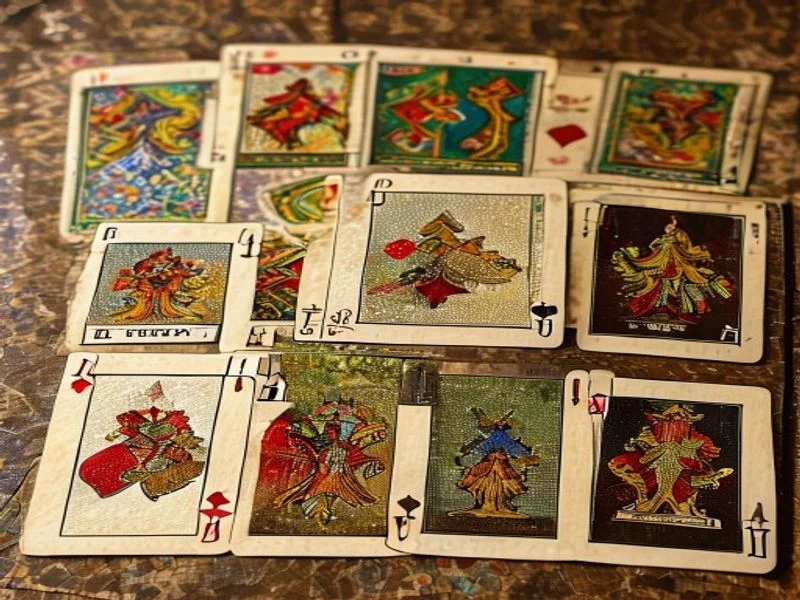
Klondike Solitaire is the default Solitaire experience for millions of players. A standard deck is shuffled and dealt into seven tableau columns, the first with one card, the seventh with seven. Only the top card of each column is face up. A separate stock pile and waste pile feed you new cards, while four empty foundation slots wait for each suit's Ace.
Tableau and Foundation Basics
The core rules are simple but powerful. Tableau columns build downward by alternating red and black, so a red Seven can accept a black Six. Foundations build upward by suit, starting from Ace. When the stock is exhausted and no moves remain, the deal is over. Your job is to move every card to the foundations before the board locks.
First-Move Priorities
The best first move is always to locate and play any Aces or Deuces straight to the foundations. Opening a foundation slot early turns the Ace into a long-term anchor and immediately unblocks any cards stacked above it in the tableau. Never delay an obvious foundation play for a smaller gain.
Building Long Sequences
Long tableau sequences are your most flexible tool. Try to create alternating color stacks so you can move them as units to other columns. Empty columns are especially valuable because any King can fill them, instantly revealing a face-down card underneath and giving you fresh options.
When to Draw from the Stock
Draw from the stock only when no tableau or foundation moves exist. Each pass through the stock refreshes your options, but cycling through the waste without a plan merely delays meaningful decisions. Be selective, and always check for hidden face-down cards before drawing.