Playables
← All playables
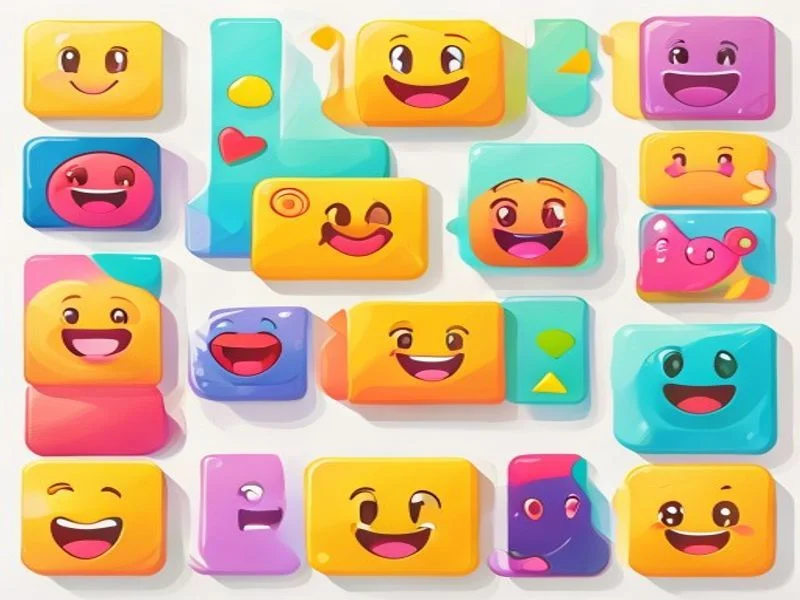
Memory Flip cover artwork
Playables

Memory Flip.

Flip cards, remember positions, and match every pair. A calm memory challenge with emoji symbols and a best-score tracker.

How to play Memory Flip

Goal

Find all eight matching pairs on the 4×4 grid. There is no timer, so the only thing you are racing is your own efficiency. Aim to clear the board in as few moves as possible and beat your personal best.

How to play

Click two cards to flip them face up. If the two symbols match, they stay revealed for the rest of the game. If they do not match, they flip back after a short moment. Memorize where each card was so you can pair it up later.

Strategy

Remember the locations you have already seen. Start with the center cards, which are easiest to recall because they sit in the middle of your field of view. Use elimination: if two cards are still face-down and you already know where one's match is, flip it immediately to score a pair.

Example

Card at position (0,0) shows 🐶. You flip a second card that does not match and it flips back. The next time you spot another 🐶 somewhere on the board, click that position to match it with the one you saw at (0,0). Each remembered placement saves you a wasted move.

Player instructions

Objective

Reveal and match all eight emoji pairs on the 4×4 board, using the fewest possible moves.

Desktop controls

Use your mouse to click any face-down card to flip it. Click a second card to reveal it as well. If the two symbols match, they stay face up; if not, they flip back automatically. Click cards two at a time until every pair is found.

Mobile & touch controls

Tap any face-down card to flip it, then tap a second card to reveal it. Matching cards stay revealed; non-matching cards flip back after a moment. Tap pairs until the whole board is cleared. The layout is fully touch-friendly.

Winning conditions

You win the moment all eight pairs are matched and the entire board is face up. Your move count is recorded so you can track your best score over time.

Losing conditions

Not applicable — Memory Flip is a relaxing, pressure-free game. There is no timer, no lives, and no fail state. The only goal is to finish in as few moves as possible.

Tips for beginners

  • Memorize cards in small chunks rather than trying to hold the whole board at once.
  • Flip unknowns systematically, working row by row, so you notice repeats sooner.
  • Use the best-score tracker as motivation and try to beat your previous move count.
  • Start with the center cards, since they are easiest to keep in mind.
  • Take your time — there is no clock, so a slow, careful game beats a rushed one.
  • When you know one card's location, immediately flip its match to save a wasted move.

Guides & strategies

Deep-dive articles to sharpen your Memory Flip skills.

Memory Flip — Complete Guide

Learn how to play Memory Flip, master its relaxed matching gameplay, and chase your best move count.

What Is Memory Flip

Memory Flip is a calm, single-player matching game built around a 4×4 grid of face-down cards. Hidden among the 16 cards are 8 pairs of friendly emoji symbols. Your task is to find every pair by flipping cards two at a time, using memory rather than luck to succeed.

How the Game Works

The rules could not be simpler. Click or tap a card to reveal its symbol, then reveal a second. If the two match, both stay face up for the rest of the game. If they do not, they flip back after a short pause. You continue revealing pairs until the entire board is cleared.

Scoring and the Best Score

What makes Memory Flip special is its lack of pressure. There is no timer, no lives, and no losing state. Instead, the game tracks how many moves you used and saves your fewest-moves result as a personal best. A perfect game is 8 moves, one for each matched pair with zero wasted flips.

Tips for New Players

New players improve quickly with a few habits. Start from the center cards, which are easiest to keep in mind, and flip unknowns in a steady order so repeats stand out. When you already know where a symbol's partner is, flip it immediately to avoid wasting a move.

Why It Is So Relaxing

Because there is no clock, Memory Flip doubles as a gentle brain workout and a relaxing break. It exercises working memory and focus without the stress of a countdown. Whether you play for a minute or twenty, the only goal is to quietly beat your own best score.

Beginner Memory Techniques

Practical, easy-to-learn memory tricks that help you find pairs faster and waste fewer moves.

Start in the Center

The easiest upgrade for a beginner is to flip from the center outward. Center cards sit in the middle of your view, so their positions are naturally easier to recall than corners tucked at the edges. Building your mental map from the middle gives you a stable anchor.

Memorize in Chunks

Instead of trying to remember all 16 cards at once, break the board into zones. Focus on one row or quadrant per turn and commit those few locations to memory before moving on. Chunking keeps your working memory from overflowing and reduces careless misses.

Use a Consistent Scan Order

Adopt a repeatable scan order, such as left to right, top to bottom. A fixed pattern means you are less likely to skip cards or re-flip the same ones, and it helps your brain notice when a symbol you saw earlier reappears elsewhere on the grid.

Rehearse After Every Flip

After every mismatch, take a second to rehearse what you just saw. Mentally say the symbol and its position before the cards close. This tiny act of active recall is far more effective than passively hoping the image sticks, and it compounds turn after turn.

Keep It Calm

Finally, stay relaxed. Memory Flip has no timer, so rushing only hurts you. Breathe, scan slowly, and trust your rehearsal. A calm, methodical player will almost always outscore a frantic one, and the low-stress format makes that practice genuinely enjoyable.

Advanced Strategies & Brain Benefits

Push toward perfect 8-move games and discover how Memory Flip strengthens your mind.

Elimination Play

Once the basics feel natural, lean into elimination. Whenever two face-down cards remain and you already know the location of one's match, flip them together to lock in a pair without a wasted move. Skilled players plan two or three reveals ahead using this principle.

Chasing the Perfect Game

A perfect game uses exactly 8 moves, one per pair, with no mismatches at all. Reaching it requires flawless recall of every card you have seen. Treat each flip as a committed clue, and visualize the whole board after each turn so no symbol slips from memory.

Working Memory Workout

Under the hood, Memory Flip is a workout for working memory, the system your brain uses to hold and manipulate information in the moment. Repeatedly encoding and retrieving card positions strengthens those circuits, much like reps strengthen a muscle.

Focus and Calm

The game also trains sustained attention and offers a calming reset. Because there is no fail state or clock, you practice focus in a low-stakes setting, which can lower stress while still engaging the mind. It is an ideal micro-break between tasks.

Make It a Daily Habit

To get the most benefit, play a short session daily rather than one long marathon. Consistent, brief practice builds durable memory gains and steadily lowers your best move count. Over weeks, you will likely find both your score and your everyday recall improving.

Frequently asked questions

How do you play Memory Flip?

Click or tap two face-down cards to flip them. If the symbols match, they stay revealed. If they do not, they flip back after a moment. Keep going until all eight pairs are found. There is no timer, so play at your own pace.

What are the rules of Memory Flip?

The board is a 4×4 grid of 16 face-down cards made of 8 matching pairs. You reveal two cards per turn. A match stays open; a mismatch closes. The game ends when every pair is matched. Fewer moves means a better score.

How many pairs are in Memory Flip?

There are exactly 8 pairs, which together fill the 16 cards of the 4×4 grid. Matching all 8 pairs clears the board and finishes the game. Each symbol appears twice and only twice.

What is the best strategy for Memory Flip?

Start from the center cards, flip unknowns in a consistent order, and use elimination: when you know two locations of the same symbol, flip them together. Memorize in chunks and replay the board mentally after every mismatch.

How does the best score work?

Your best score is the fewest moves you have ever used to clear the board. It is saved locally in your browser and shown each game so you can try to beat it. Clearing the board in 8 moves is a perfect game.

Is there a timer in Memory Flip?

No. Memory Flip has no timer, no countdown, and no time pressure. It is a calm memory exercise where the only metric is how few moves you need. You can pause and resume simply by stepping away.

What memory techniques help in Memory Flip?

Chunking, the method of loci, and repetition all help. Group cards by region of the board, assign each symbol a mental image, and rehearse locations after every flip. The more actively you recall, the faster your score improves.

What are the emoji symbols used?

Memory Flip uses eight friendly emoji such as 🐶, 🐱, 🌟, 🍎, ⚽, 🌈, 🎵, and 🚀. The exact set is chosen so each symbol is visually distinct, making pairs easy to recognize once you have seen them.

Is Memory Flip suitable for kids?

Yes. The game has no violence, no time pressure, and simple tap controls, making it ideal for young children. It builds memory, concentration, and pattern recognition while staying fun and frustration-free.

How difficult is Memory Flip?

Difficulty is gentle and self-paced. A 4×4 board with 8 pairs is approachable for beginners yet still rewards skill as you chase a low move count. Because there is no fail state, every player can succeed with patience.

Can I play Memory Flip on mobile?

Yes. The board is fully responsive and designed for touch. Tap a card to flip it, tap a second to compare, and matches stay open. It works in any modern mobile browser with no app install required.

Is Memory Flip accessible?

The layout is large-tap-target and high-contrast, and the game relies on simple clicks or taps rather than precise actions. Symbols are visual, so it suits a wide range of players; future updates may add labels for extra support.

What are the brain benefits of Memory Flip?

Playing exercises working memory, visual recall, and concentration. Regular short sessions can sharpen focus and pattern recognition. Because it is low-stress, it also offers a calming mental break during a busy day.

What games are similar to Memory Flip?

Classic Concentration, Simon, and matching-card solitaire are close cousins. Any game that asks you to remember hidden locations trains the same skills. Picture-matching and spot-the-pair puzzles offer similar relaxed memory practice.

How can I improve my Memory Flip score?

Improve by flipping systematically, memorizing in chunks, and always pairing known cards immediately. Review the board after each mismatch, and aim to reduce wasted flips. Tracking your best score keeps you motivated to refine your approach.

Can two people play Memory Flip?

The single-player version tracks your personal best, but you can easily take turns with a friend on the same device, alternating pairs or competing for the lowest move count. It works well as a cooperative or competitive screen-sharing activity.

Does my best score save between sessions?

Yes. Your best move count is stored locally in your browser, so it persists when you return. Clearing your browser data or switching devices will reset it, since the score is kept on your device rather than a server.

What is a perfect game in Memory Flip?

A perfect game is clearing all 8 pairs in exactly 8 moves, because each move reveals a correctly matched pair with no wasted flips. Achieving 8 moves is rare and the ultimate goal for skilled players chasing a flawless run.

Why do mismatched cards flip back?

Flipping mismatched cards back hides them again so you must rely on memory to find their partners later. This is the core challenge: each revealed mismatch is a clue you need to remember. The brief delay gives you time to register the symbols.

Is Memory Flip free to play?

Yes. Memory Flip runs in the browser with no cost, no account, and no download. Open the page and start flipping immediately. Your progress and best score stay private on your own device.