Playables
← All playables
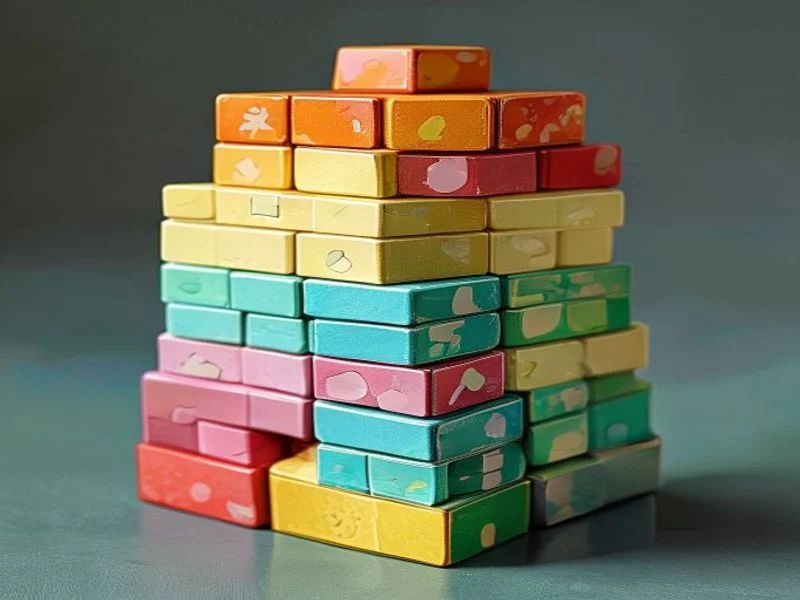
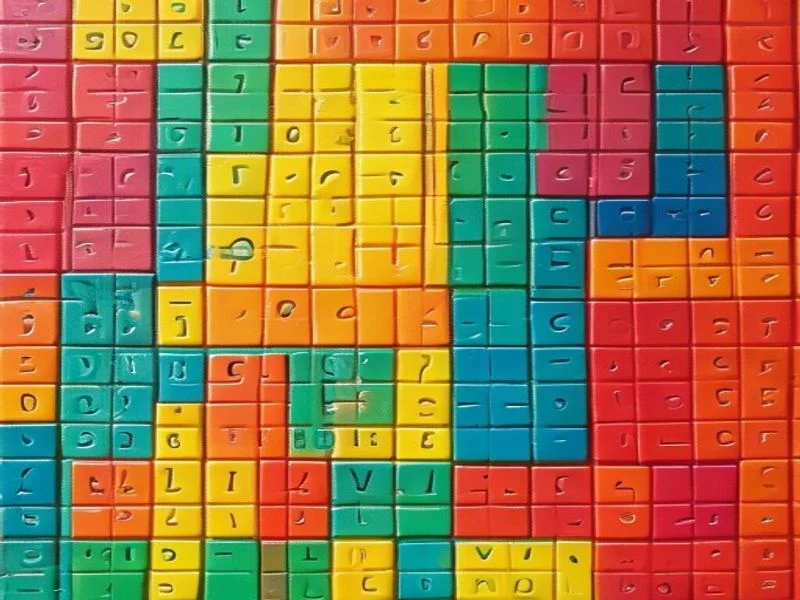
Memocoly cover artwork
Playables

Memocoly.

Watch a pattern of highlighted cells and repeat it from memory as it grows.

How to play Memocoly

Goal

Watch a sequence of highlighted cells, then repeat it exactly from memory. Each round adds one more step to the sequence, testing how far your memory can stretch. The game ends when you make a mistake.

How to play

The grid flashes a pattern one cell at a time. Memorize the order, then tap or click the same cells in the same sequence. If you repeat it correctly, the next round adds a new step. If you tap the wrong cell, the game ends and your score is recorded.

Strategy

Break long sequences into small groups and rehearse each group mentally before tapping. Use rhythm and story techniques to give the cells memorable meaning. Stay relaxed — anxiety makes sequences blur together, while calm focus extends your effective memory.

Example

Round 3 shows top-left, center, bottom-right. You tap those three in order and the pattern grows to four cells. Round 4 adds center-right, so the full sequence is top-left, center, bottom-right, center-right. Memorize the new cell as an addition to the existing chain rather than a fresh start.

Player instructions

Objective

Repeat increasingly long cell sequences from memory to achieve the highest possible round.

Desktop controls

Watch the highlighted cells in order, then click the same cells in the same sequence. Use your mouse to select each step. A confirmation animation shows whether your sequence matched.

Mobile & touch controls

Watch the pattern, then tap the cells in the correct order. The grid is sized for comfortable touch input, and highlights are bright enough to see clearly on small screens.

Winning conditions

There is no fixed win condition. Your goal is to reach the highest round possible. Each successful round adds one step to the sequence. Compare your best round with friends to see who has the sharpest memory.

Losing conditions

You lose when you tap a cell out of order or tap the wrong cell. The game ends immediately, shows your final round, and records your best score if it is higher than the previous best.

Tips for beginners

  • Chunk the sequence into groups of two or three cells to reduce memory load.
  • Assign a short story or rhythm to each group so it sticks automatically.
  • Focus on the first and last cells of each chunk; they anchor the rest.
  • Close your eyes briefly after the highlight ends to replay the sequence mentally.
  • Stay calm — tension shortens working memory, while relaxed focus extends it.

Guides & strategies

Deep-dive articles to sharpen your Memocoly skills.

Memocoly — Complete Guide

Master sequence memory, learn chunking techniques, and push your round count higher.

What Is Memocoly

Memocoly is a sequence-memory game played on a small grid of cells. Each round the grid highlights a growing chain of cells in a specific order. Your task is to watch the chain, then repeat it exactly by clicking or tapping the same cells in the same sequence. Every correct round adds one more step.

The Sequence Mechanic

The mechanic is simple but the challenge scales quickly. A three-cell sequence feels trivial, but a seven or eight cell sequence demands real concentration. The game has no timer and no penalty for taking a moment to prepare, so the only limiting factor is your working memory.

Memory Techniques

The most effective technique is chunking. Break the sequence into groups of two or three cells and memorize each group as a unit. Visualize each group as a mini-scene or assign it a short phrase. Chunking reduces the number of items you must hold in mind at once and makes long sequences feel manageable.

Tracking Progress

Your best round is saved automatically in your browser. Use it as a benchmark and try to add just one more cell each session. Small, consistent improvements compound faster than occasional heroic attempts, and tracking progress keeps motivation high.

Why It Is Addictive

Memocoly is addictive because each round offers a clear, achievable challenge with instant feedback. You always know exactly how you did, and the next round is always one step away. That combination of measurable progress and low friction makes it easy to play one more time — and then one more after that.

Memory Techniques for Sequence Games

Practical methods to memorize longer chains and reduce missed taps.

Chunking

Chunking is the single most powerful memory technique for sequence games. Instead of trying to hold eight individual cells in mind, group them into pairs or triples. A sequence of eight becomes four chunks of two, which is much easier to rehearse and recall under pressure.

Visualization

Visualization turns abstract cell positions into vivid mental images. Picture the grid in your mind and watch the highlighted cells light up in order. The more detailed your mental picture, the stronger the memory trace. Close your eyes briefly after the sequence ends to reinforce the image.

Rhythm and Story

Rhythm and story add another layer of encoding. Give each chunk a short verbal label or a tiny narrative: top-left jumps, center spins, bottom-right slides. Weird or funny stories stick far better than neutral facts, so feel free to be playful with your labels.

Rehearsal Between Rounds

Use the brief pause between the highlight phase and your tap phase to rehearse the sequence once or twice silently. This active recall locks the order into memory before you act. Even a two-second rehearsal significantly reduces errors.

Calm and Focus

Finally, stay calm. Anxiety crowds working memory and makes sequences blur together. Breathe steadily, trust your chunks, and tap deliberately. A relaxed player with average raw memory often outperforms a tense player with better natural recall.

The Science of Sequence Memory

Understand how your brain stores ordered information and how games like Memocoly strengthen it.

Working Memory and Sequences

Working memory is the mental workspace where you hold and manipulate information in the moment. Sequence memory tasks like Memocoly heavily tax this system because you must retain order, not just content. Regular practice expands your working memory capacity, making it easier to remember lists, directions, and instructions.

The Role of Practice

Practice matters more than raw talent. The brain strengthens memory pathways through repetition, so playing a few short sessions daily builds durable improvement faster than occasional long marathons. Each round is a tiny rep for your memory circuits, and consistency is what makes those reps compound.

Transfer to Daily Life

The skills you build in Memocoly transfer directly to everyday life. Remembering a phone number, following a recipe, retracing a route, and recalling a presentation order all rely on the same sequential memory muscles. Stronger sequence recall makes daily tasks feel smoother and less mentally taxing.

Brain Health Benefits

Beyond raw memory, sequence games support overall brain health. They engage attention, visual processing, and executive function in a low-stress format. Regular mental exercise is associated with better cognitive resilience, making games like Memocoly a simple yet effective part of a brain-healthy lifestyle.

Building a Memory Habit

To build a lasting habit, play at the same time each day and set a small goal, such as beating your previous round by just one step. Tiny targets keep the activity positive and sustainable. Over weeks you will notice not only higher rounds but also sharper recall in situations far beyond the game.

Frequently asked questions

How do you play Memocoly?

Watch the grid highlight a sequence of cells, then repeat the exact same sequence by clicking or tapping. Each correct round adds one more cell. The game ends when you make a mistake.

What is the goal of Memocoly?

The goal is to reach the highest possible round by memorizing and repeating longer and longer cell sequences. There is no timer; the only challenge is your memory.

Does Memocoly have a timer?

No. The sequence plays at a steady pace, and you can take as long as you need between rounds to prepare. The test is memory accuracy, not speed.

What memory techniques work best in Memocoly?

Chunking, visualization, and simple storytelling all help. Break the sequence into small groups, picture each group as a mini-scene, and rehearse the order before tapping. Rhythmic repetition also makes sequences stick.

How long can the sequence get?

The sequence grows by one cell each round until you make a mistake. Most players reach 6 to 10 rounds with practice, but advanced memorizers can go much higher. Your best round is saved locally.

Can you play Memocoly on mobile?

Yes. Tap cells to repeat the sequence. The responsive grid and bright highlights work well on phones and tablets. No app download is required.

Is Memocoly free?

Yes. It runs in your browser with no cost, no account, and no download. Open the page and start memorizing immediately. Your best round stays private on your device.

What is the best score in Memocoly?

There is no universal best score because the game scales infinitely. Competitive players track their own highest round and try to beat it. Reaching double digits is a strong milestone for most people.

How does Memocoly train your brain?

It exercises working memory, sequential recall, and visual-spatial memory. Regular play strengthens your ability to hold and reproduce ordered information, which helps with lists, directions, and learning sequences.

Can two people play Memocoly together?

Yes. Take turns on the same device, or compare scores after each round. You can also challenge a friend to beat your best round and then try to beat theirs back. It is a fun, low-pressure head-to-head activity.

Is Memocoly suitable for kids?

Yes. The simple grid and growing challenge make it engaging for children while quietly building memory skills. It is frustration-free because every round is a fresh chance, and there is no penalty for practicing.

What games are similar to Memocoly?

Simon, memory sequence apps, and rhythm games all train ordered recall. The classic electronic game Simon is the closest cousin, using lights and sounds instead of a grid. Any sequence-memory game strengthens the same cognitive muscles.

Why do I forget the sequence so quickly?

Forgetting is normal, especially when sequences grow beyond your comfort zone. Use chunking to reduce the load, and rehearse mentally between rounds. With practice your effective memory span will expand.

How can I improve my Memocoly score?

Practice chunking, visualize each step, and replay the sequence in your head before touching the grid. Consistency matters more than speed. A few short sessions daily will extend your round count faster than occasional marathons.

Does Memocoly have different modes?

This version uses a single mode where the sequence grows by one cell per round. The steady growth rate keeps the challenge predictable and lets you focus entirely on memory without mode-switching overhead.

Is Memocoly accessible?

The grid uses large, high-contrast cells and simple taps or clicks. There is no fine motor requirement and no time pressure, making it accessible to a wide range of players. Bright highlights help players with visual processing needs.